Discover top 10 relatable matatu experiences every Kenyan knows, from loud music and touts to chaotic rides and cultural vibes.
In the heart of Nairobi’s chaotic morning rush, a 33-seater Nissan matatu painted in blazing reds and yellows pulls up at the busy Khoja stage. Bass-heavy gengetone thumps from oversized speakers mounted on the roof, vibrating the ground beneath your feet. The tout, a young man in baggy jeans and a cap pulled low, leans dangerously far out the sliding door, shouting “Tao! Tao! Bei ni mia fifty!” as he scans for passengers. You squeeze in, shoulder-to-shoulder with strangers, and just like that, you’re immersed in one of Kenya’s most enduring cultural institutions: the matatu ride.
Matatus — those colorful, loud, often overcrowded minibuses and vans that dominate Kenya’s public transport — are far more than mere vehicles. They are rolling canvases of Kenyan creativity, mobile discos, impromptu churches, and micro-economies on wheels. For millions of Kenyans, especially in urban centers like Nairobi, Mombasa, Kisumu, and Eldoret, a day doesn’t feel complete without at least one matatu journey. These rides encapsulate the hustle, resilience, joy, and frustration of daily life in a country where formal systems often fall short, and informal ingenuity fills the gaps.
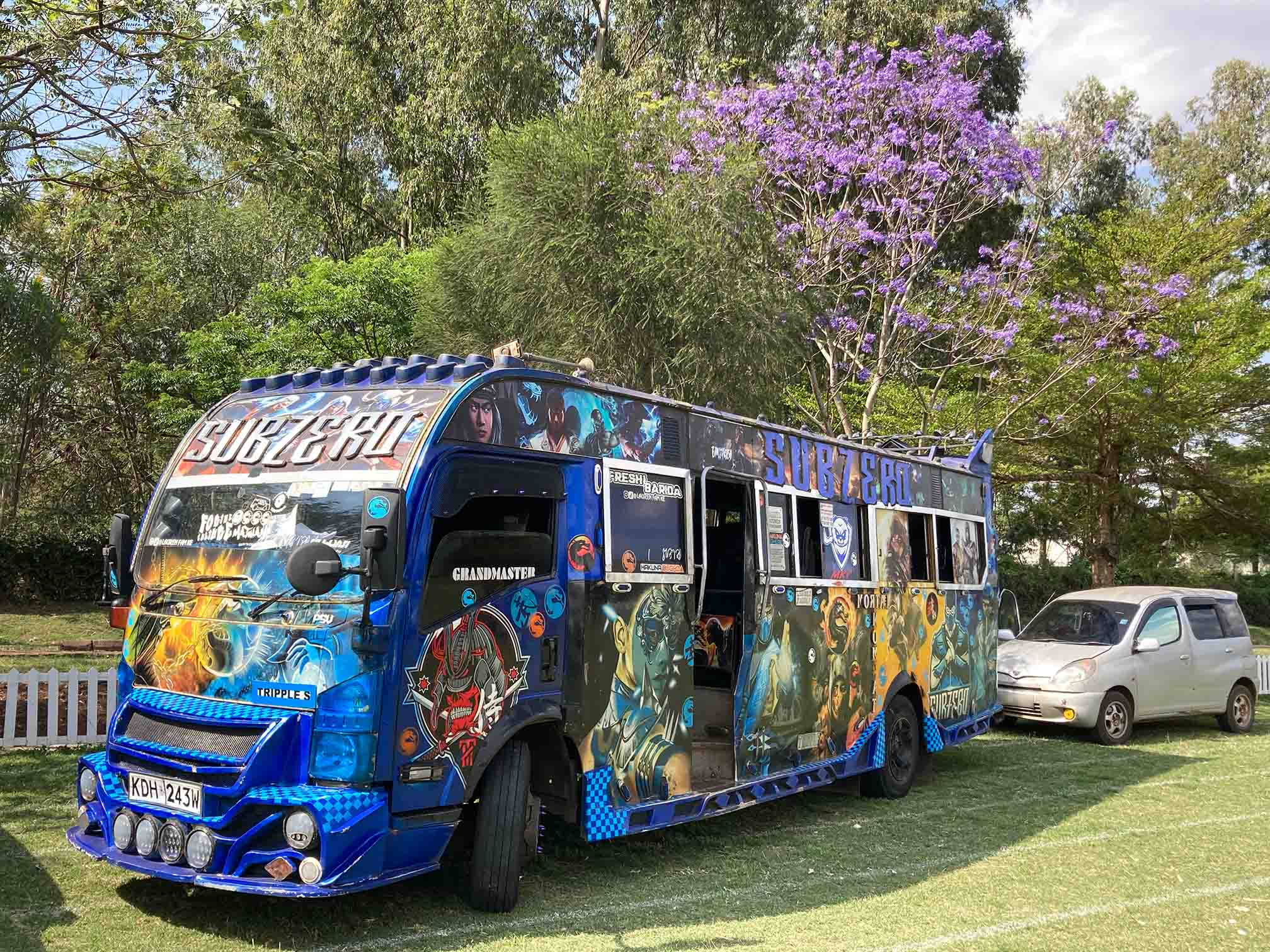
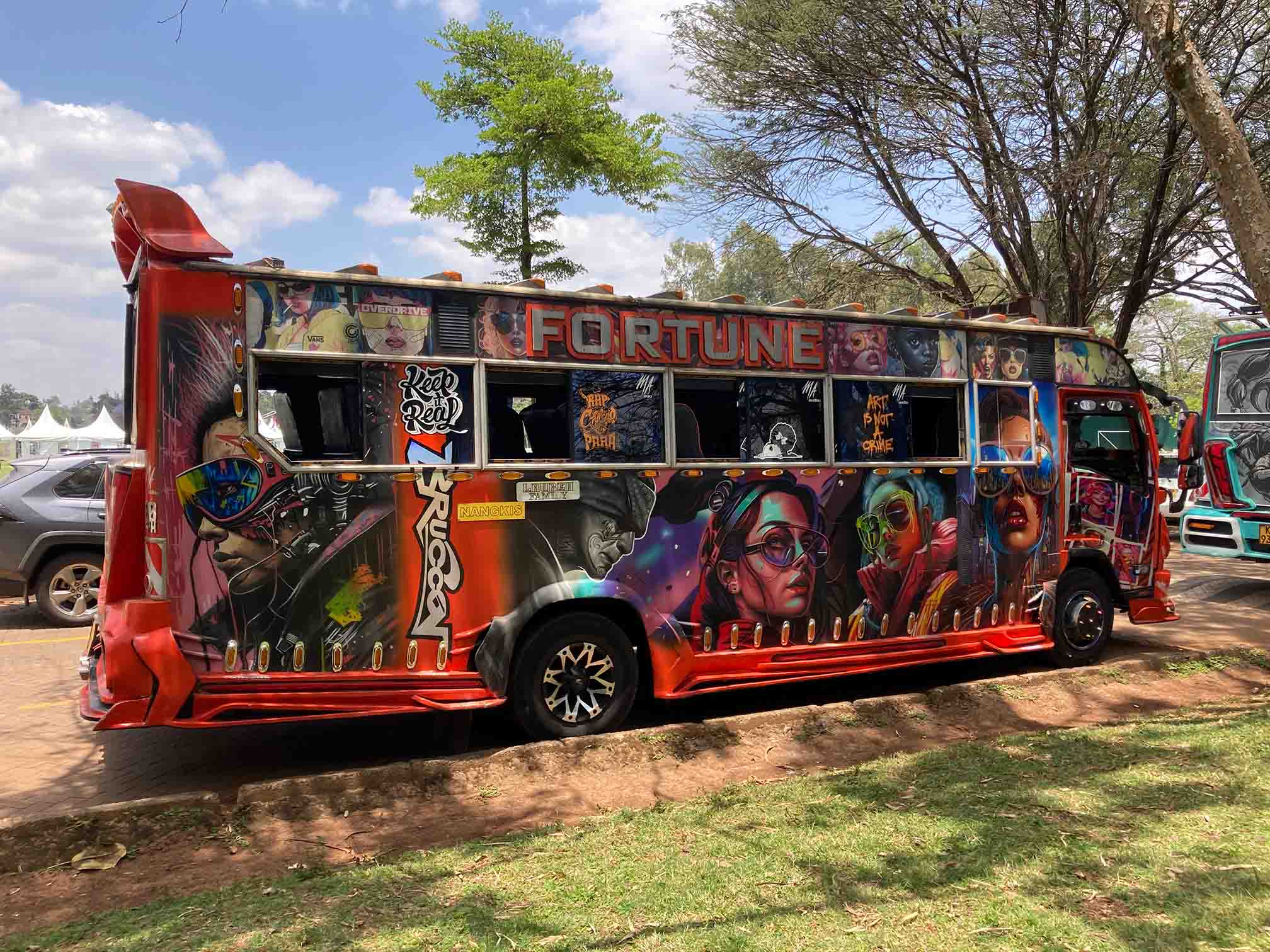
The matatu industry traces its roots back to the post-independence era, when entrepreneurial Kenyans converted vans into shared taxis to serve routes ignored by colonial-era buses. By the 1980s and 1990s, matatus exploded into a vibrant subculture, influenced by hip-hop, reggae, and local music scenes. Owners invested heavily in customizations — graffiti featuring celebrities like Tupac or local stars, biblical quotes, football club emblems, and flashy LED lights — turning ordinary vehicles into “nganya,” the flashy, high-energy matatus beloved by the youth.
Yet, this culture has always walked a fine line between celebration and controversy. Reckless driving, overloading, and loud music have drawn criticism, leading to reforms like the 2003 “Michuki Rules” that mandated seatbelts, speed governors, and uniforms for crews. More recently, the National Transport and Safety Authority (NTSA) has cracked down harder, suspending several saccos in early 2026 following deadly festive season accidents. Despite these efforts, the spirit of the matatu endures, adapting to new generations.
In recent weeks, matatu culture has gained unexpected global spotlight thanks to American streamer IShowSpeed’s viral visit to Kenya. Crowds mobbed the streets as he rode in a customized “Syndicate” nganya from Embakasi, dancing to blasting music and soaking in the chaos. His livestreams introduced millions worldwide to this uniquely Kenyan phenomenon, proving that matatus aren’t just transport — they’re an experience.
Here, we count down the top 10 matatu moments that every Kenyan, from the daily commuter to the occasional rider, can nod along to in recognition. These are the shared stories that bind us, reflecting broader themes of community, survival, and unfiltered expression in a fast-changing nation.
10. The Camaraderie Among Strangers

One of the quietest yet most profound matatu experiences is the fleeting sense of community that forms among passengers. In a country where urban life can feel isolating, matatus force interaction. Conversations spark over traffic jams, rising fuel prices, or the latest political scandal. A stranger might share their snacks, help with a heavy bag, or even offer advice on life.
Mary Wanjiku, a Nairobi office worker, recalls a ride during heavy rains: “The matatu got stuck in mud, and everyone got out to push. We were laughing, complaining together — by the end, we felt like friends.” This solidarity reflects Kenyan ubuntu in action, where shared hardship builds bonds. In a divided society, matatus level the playing field: CEOs sit next to hawkers, students next to elders.
Yet, it’s not always harmonious. Arguments over windows, music volume, or space can flare up, mirroring societal tensions. Still, these interactions humanize the daily grind, reminding riders they’re part of something larger.
9. Breakdowns and the Art of Waiting
Few things test Kenyan patience like a matatu breakdown on a busy highway. The engine coughs, smoke billows, and suddenly you’re stranded under the scorching sun or pouring rain. Passengers spill out, some pushing the vehicle, others flagging down alternatives.
These moments highlight resilience. “I’ve pushed matatus more times than I can count,” laughs James Otieno, a Mombasa resident. “It’s annoying, but you adapt — chat with others, buy roadside mangoes.” Breakdowns expose the industry’s challenges: poorly maintained vehicles due to thin profit margins. But they also foster ingenuity, with drivers improvising repairs using wire and hope.
In an era of ride-hailing apps promising reliability, matatu breakdowns remind us of the raw, unpredictable nature of life here.
8. Fare Haggling and the Change Saga
“Bei ni ngapi?” is the eternal question. Fares fluctuate with time, weather, or the tout’s mood. Peak hours mean surges; rain means exploitation. Then comes the change drama: You hand over a KSh 1,000 note for a KSh 70 fare, and the tout claims no change, forcing you to wait or overpay.
This negotiation is a microcosm of Kenyan hustle. Passengers bargain fiercely, touts push back. “It’s survival,” says one conductor anonymously. “We deal with police bribes, fuel costs — fares keep us afloat.” For riders, it’s about fairness in an unequal system. Digital payments via sacco apps are rising, but cash reigns, keeping the drama alive.
7. Hawkers Turning the Aisle into a Market
No matatu ride is complete without vendors boarding at stages or traffic lights. They hawk everything: pens, socks, herbal cures, roasted groundnuts, phone chargers. “Bei ni kumi tu!” they shout, weaving through cramped seats.
These mobile entrepreneurs embody informal economy grit, providing jobs where formal ones are scarce. A packet of chips or cold soda mid-journey can be a lifesaver. But overcrowding adds to chaos, and dubious “miracle” medicines raise health concerns.
As one passenger notes, “It’s convenient, but sometimes you just want peace.”
6. Impromptu Sermons from On-Board Preachers
A man in a suit boards, Bible in hand: “Praise the Lord!” Suddenly, the matatu becomes a church. Preachers deliver fiery sermons on salvation, passing a basket for offerings before alighting.
For many, it’s uplifting — faith woven into routine. “It calms me during stressful rides,” says Faith Njeri. But others find it intrusive, especially forced collections. Post-Shakahola cult scandals, suspicion has grown.
These preachings reflect Kenya’s deep religiosity, offering spiritual solace amid urban stress.
5. The Adrenaline of Reckless Maneuvers
Matatus weave through traffic like they’re in a video game: sudden overtakes, ignoring lanes, high speeds. Heart-in-mouth moments are routine.
This thrill appeals to some, but it’s deadly. NTSA data shows PSV involvement in many accidents, with recent 2025-2026 festive crashes leading to sacco suspensions.
Drivers blame pressure to maximize trips; regulators push speed governors. Yet, the “matatu drift” persists as folklore.
4. Overloading: Packed Like Sardines
Official capacity? Forgotten. Extra seats fold out, passengers sit on laps, others stand. “One more!” the tout insists, squeezing in.
It’s born of necessity — affordable transport for masses — but dangerous. Overloading contributes to fatalities, prompting NTSA crackdowns.
Still, Kenyans endure: “Better late and squeezed than missing work.”
3. Touts: The High-Energy Gatekeepers
Leaning out doors, touts shout destinations, pull passengers in, collect fares aggressively. They’re the face of matatu energy — charismatic, tough.
“Manamba” culture is youth employment, but risky (falls common). Respect varies; some see them as hustlers, others nuisances.
2. Flashy Designs and Graffiti Masterpieces
Matatus as art: Portraits of Obama, Ronaldo, slogans like “In God We Trust” or “Hustle Hard.” LED lights glow at night.
This creativity stems from 1990s hip-hop influence, expressing identity and aspiration. Owners spend fortunes customizing, making nganya icons.
IShowSpeed’s ride amplified this globally.
1. The Bone-Rattling Music
Top spot: Blasting speakers shaking seats with gengetone, bongo, gospel. Volume wars ensue — passengers request songs, vibes peak.
Music provides escape, soundtrack to life. But noise pollution complaints mount; petitions seek bans.
It’s the heartbeat of matatu soul.
In conclusion, matatus mirror Kenya: vibrant, chaotic, resilient. As electric vehicles and better regulation loom, the core experiences will evolve but endure. Next time you board one, embrace the ride — it’s uniquely ours.